Structured Literacy, an umbrella term trademarked by the International Dyslexia Association, is the gold standard of literacy instruction. It is based on the science-backed work of Samuel Orton and Anna Gillingham. Samuel Orton, a neuropsychiatrist, recognized dyslexia as a neurological and educational issue and not a sign of low intelligence. (Regardless, the myth that dyslexia is related to intelligence still persists today.) Anna Gillingham, an educator and psychologist who was exceptionally gifted in her understanding of the structure of English, developed The Gillingham Manual which became the foundation for structured literacy programs. Their methodology, known today as Orton-Gillingham, shaped modern dyslexia instruction.
Orton-Gillingham is a methodology, not a curriculum. It is direct, explicit, sequenced, systematic, cumulative, diagnostic, and multi-sensory. It covers the essential elements of language, including phonology, phonics, syllable division, vocabulary, morphology, fluency, comprehension, spelling, and handwriting.
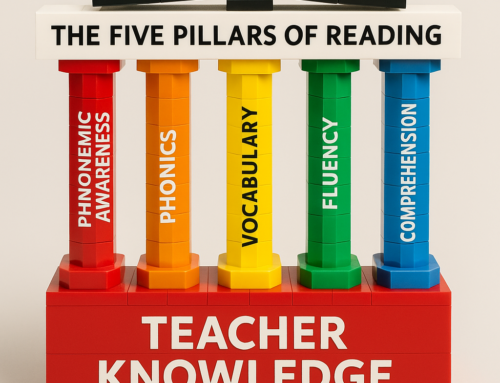
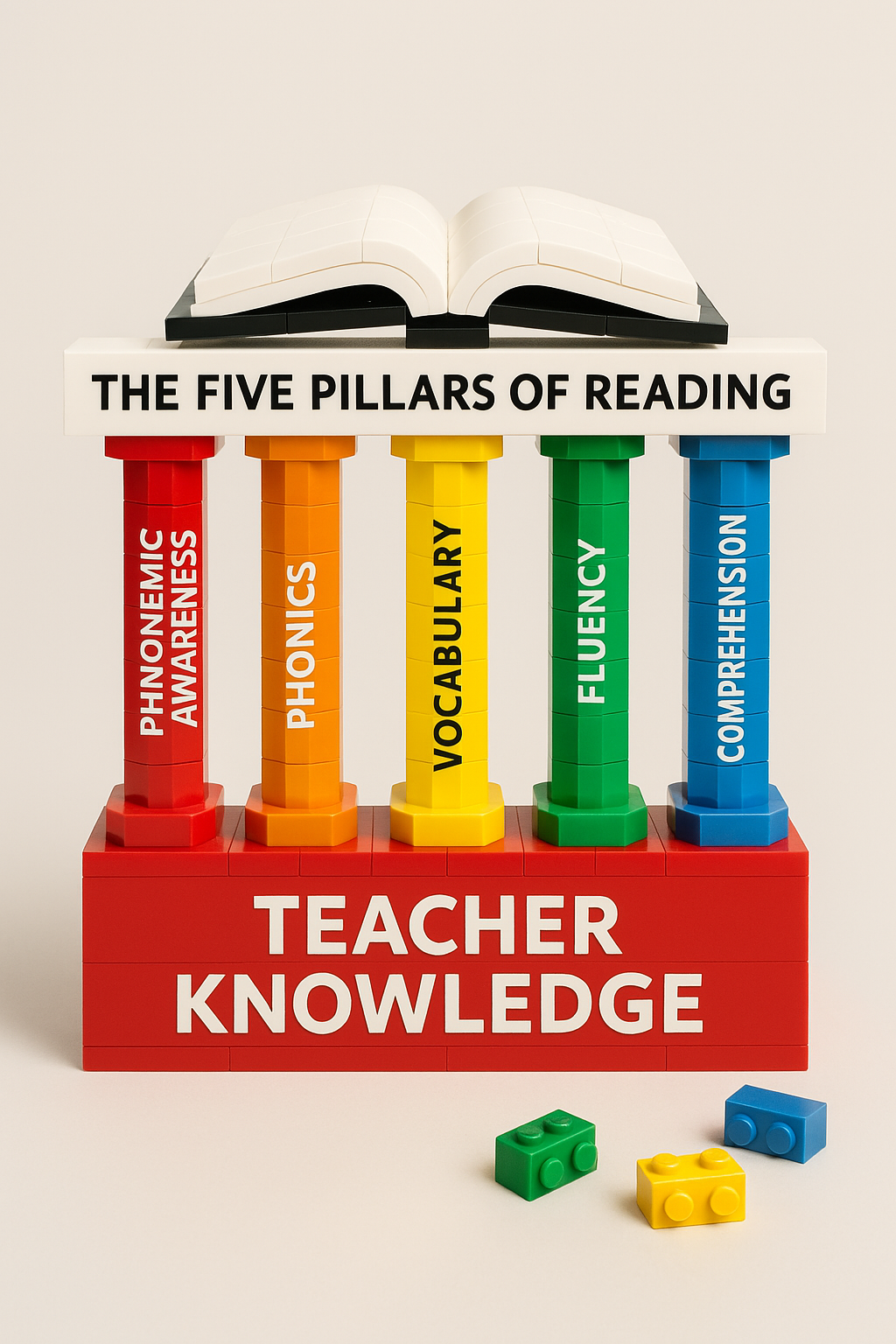
Think of structured literacy as building with, a homeschool favorite, Legos! Each component of structured literacy is represented by several individual bricks. For a child with dyslexia, it doesn’t work to dump the bricks out and hope they will eventually build the literary equivalent of the Empire State Building. They need clear, step-by-step instruction, each brick added thoughtfully and carefully. Research shows that using structured literacy with multisensory strategies can help 90-95% of struggling readers achieve average or above-average reading levels (Birsch).
Direct and Explicit Instruction
When homeschooling a child with dyslexia, instruction must be direct and explicit like Lego instructions that tell us exactly when and were to put each piece. There’s no guessing allowed and we can’t assume kids will “just get it”. Legos don’t “click” on their own and neither does reading for dyslexic kiddos. They need that “brick by brick” guidance. This isn’t about letting them figure it out on their own. Our teaching needs to be crystal clear. That’s where having an understanding of the structure of language ourselves comes in. The more we know, the easier it is to explain in straightforward simple terms.
Sequenced and Systematic
Structured literacy instruction is sequenced and systematic. You start with the basics that appear the most often in the English language. As these concepts “click” you layer on more complex concepts. Progress slowly, brick by brick. I learned this lesson the hard way with my son. When I first began reading instruction, I piled on too many concepts too fast. It was overwhelming for him and for me. Keep it simple, straightforward, and let your child learn concepts, again, brick by brick.
Cumulative Instruction
Cumulative instruction means reinforcing what your child already knows while building new knowledge. Pardon my overuse of the Lego analogy, it’s like stacking Lego bricks. You want a solid foundation. Lessons should connect to previous learning and regular review helps solidify concepts. In our homeschool, we start and end each lesson with a brief mini review where I ask them to tell me what we learned in their own words. This not only helps concepts to stick, it helps me to be know what they need and be diagnostic with my instruction.
Diagnostic and Prescriptive: The Beauty of Homeschooling
There is a lot of research on personalized education in the classroom and no one’s classroom compares to a homeschooler’s “classroom” when it comes to personalization. This is where homeschooling truly shines. As your child’s teacher, you can spot struggles and adjust instruction as needed. Don’t hesitate to let go of the curriculum’s script and respond to your child’s needs. If something is not clicking…slow down, go back for more review, or reteach if needed. Again this is where having a foundational understanding of structured literacy is important. One of the best things about homeschooling is the ability to adjust and tailor your teaching to your child. Not only will personalized teaching help your child to become a better reader, being in tune with your child fosters connection.
Multisensory Instruction
Multisensory teaching is simply engaging multiple senses. It’s hearing, seeing, speaking, and writing during reading instruction. There’s this idea that you need a sensory bin to make it multisensory. You don’t need sand or shaving cream to make it multisensory. Just using more than one sense at a time like saying /ǎ/ while writing the letter a reinforces the learning. This helps strengthen the pathways in the brain, making it easier for your child to read.
Structured literacy is the key to unlocking your struggling readers potential and create new neural pathways. Direct, explicit, sequenced, systematic, prescriptive, and multisensory teaching, will help your struggling reader to understand and use the many layers of the English language, say it with me, brick by brick. With time, patience, and perseverance, your child will soar.