
What is a CALT?
CALT stands for Certified Academic Language Therapist. A CALT is not a tutor. This is a specialized educator trained to work with students who have language-based learning differences, particularly dyslexia. CALTs are experts in structured literacy, which is a research-based approach that systematically teaches the structure of the English language—covering phonology, morphology, syntax, and semantics. A CALT must hold a masters degree, complete 200 course contact hours, complete a minimum of 700 supervised clinical practice hours and pass a certification exam through an accrediting body like ALTA (Academic Language Therapy Association).
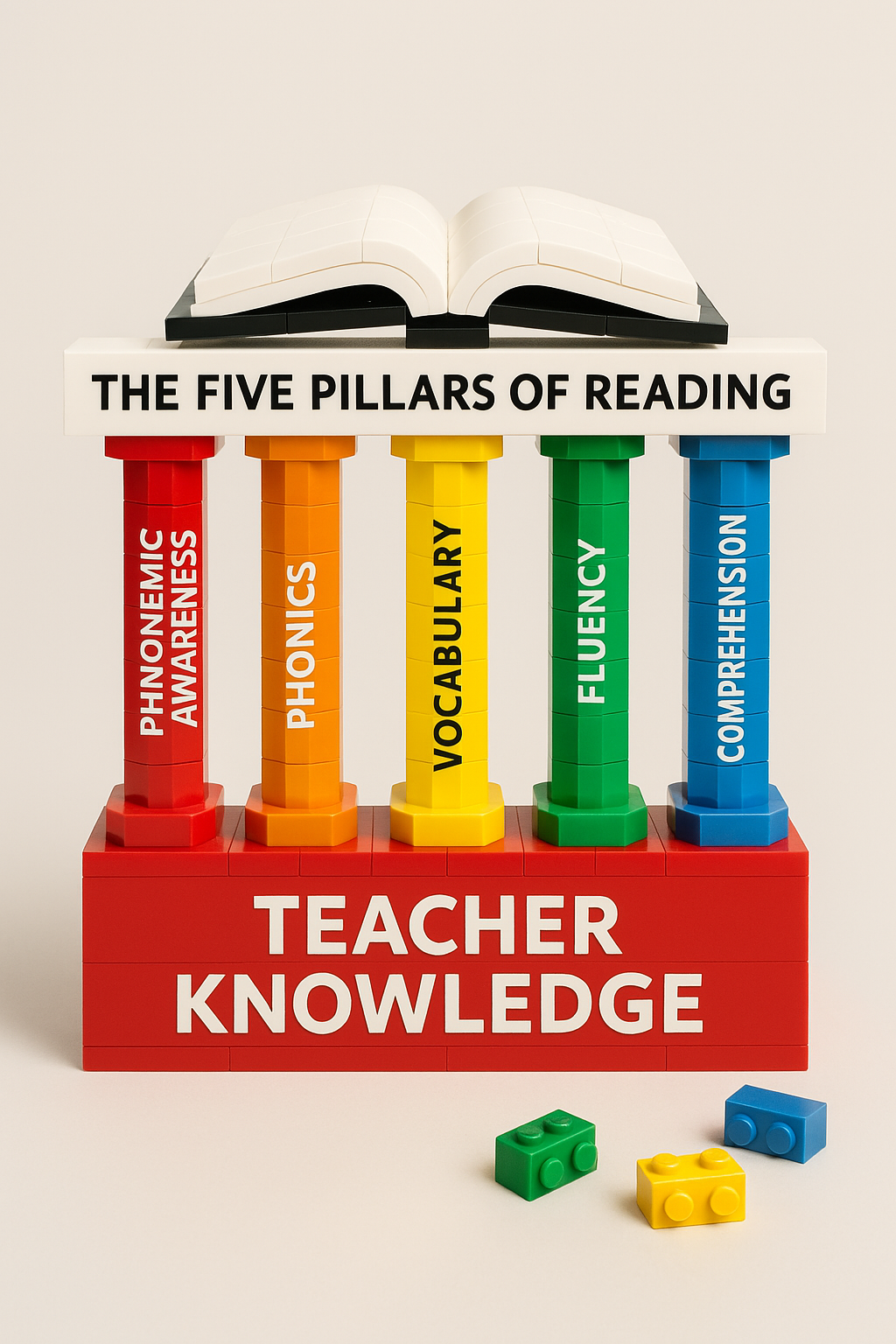
The Five Pillars of Reading – The Foundation of Effective Reading Instruction
Thanks to decades of research, we now have tools that make learning to read a little easier to navigate. This body of research is known as the Science of Reading. Think of it as a field guide to understanding how we learn to read and the strategies that work best. It’s not a one-size-fits-all approach, but a map made from years of research across multiple disciplines. In 2000, the National Reading Panel identified five essential pillars for effective reading instruction: phonemic awareness, phonics, fluency, vocabulary, and comprehension. These are the building blocks for teaching kids to read and essential

The Power of Structured Literacy for Homeschoolers: Building Confident Readers
Structured Literacy, an umbrella term trademarked by the International Dyslexia Association, is the gold standard of literacy instruction. It is based on the science-backed work of Samuel Orton and Anna Gillingham. Samuel Orton, a neuropsychiatrist, recognized dyslexia as a neurological and educational issue and not a sign of low intelligence. (Regardless, the myth that dyslexia is related to intelligence still persists today.) Anna Gillingham, an educator and psychologist who was exceptionally gifted in her understanding of the structure of English, developed The Gillingham Manual which became the foundation for structured literacy programs. Their methodology, known today as Orton-Gillingham, shaped